A mobile-friendly web directory which lists websites to help them get discovered by users and search engines.

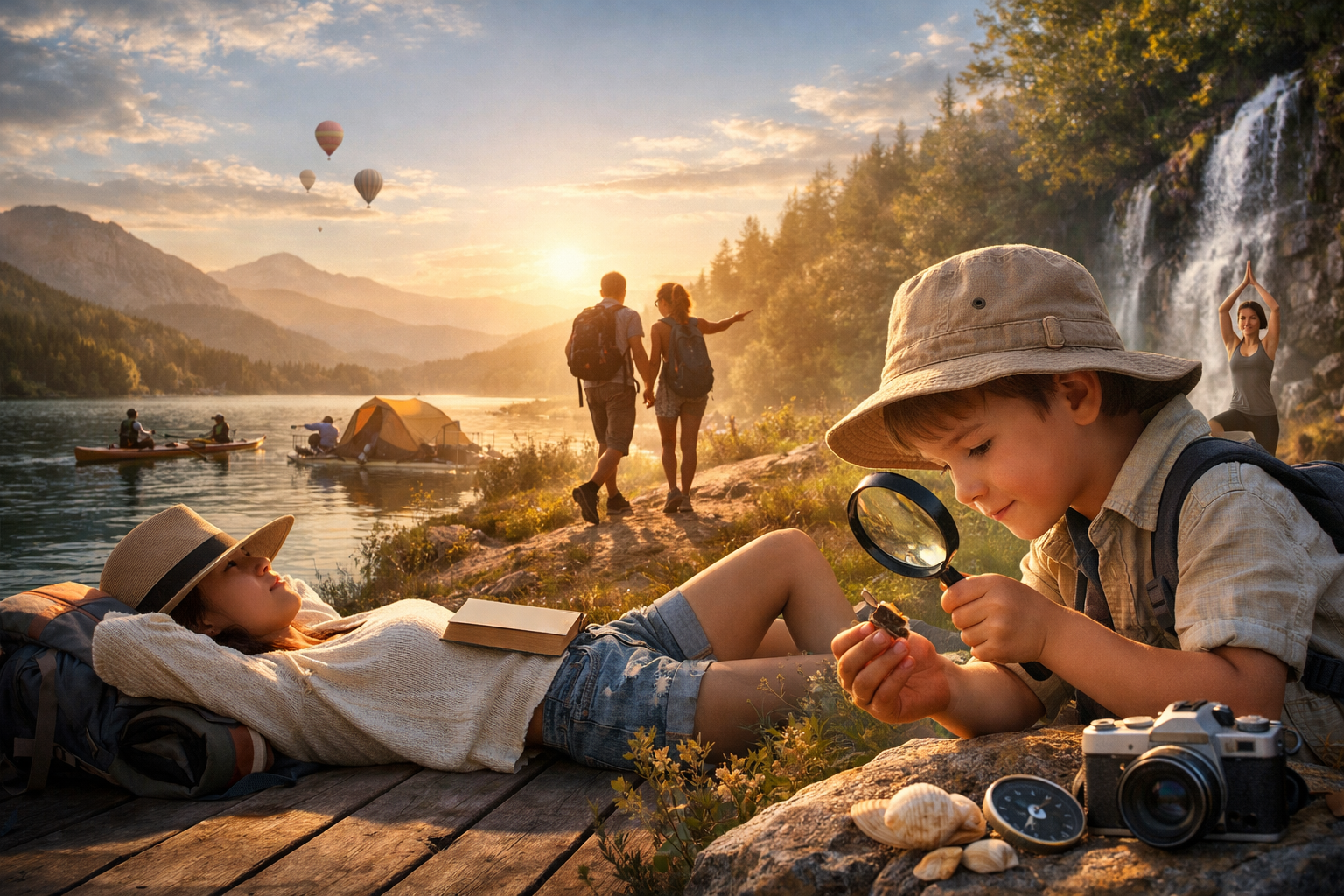
Recreation refers to activities people choose for enjoyment, renewal, or personal enrichment during leisure time. It can be as energetic as a pickup soccer game or as quiet as birdwatching in a park. What unites these experiences is their restorative quality: recreation helps the mind and body recover from routine demands, while also offering a sense of pleasure, freedom, and self-direction.
Importantly, recreation isn’t limited to “having fun.” It also includes learning new skills, exploring nature, engaging in creative hobbies, or connecting with others. Many forms of recreation serve multiple purposes at once—supporting health, community, and personal growth—without feeling like another obligation.
Modern life often rewards constant productivity, yet sustained output depends on recovery. Recreation provides a counterbalance to stress and mental fatigue, offering opportunities to reset attention, regulate emotions, and rebuild motivation. When recreation becomes a consistent part of life rather than an occasional treat, it can improve overall resilience and well-being.
Active recreation—walking, swimming, dancing, cycling, hiking—can improve cardiovascular health, mobility, strength, and sleep quality. Unlike structured exercise programs that may feel rigid, recreational movement is often easier to maintain because it’s enjoyable and social. Even gentle activities can support circulation and joint health, especially when done regularly.
Recreation can reduce stress by shifting attention away from work pressures and toward experiences that feel meaningful or playful. Creative hobbies and time in nature are linked to improved mood and restored focus. Playful activities also help adults access curiosity and experimentation—traits that can be squeezed out by tight schedules and high expectations.
Many recreational activities create “low-stakes” opportunities for connection. Team sports, community classes, clubs, and volunteer events help people form friendships around shared interests. Communities with accessible recreation spaces—parks, trails, libraries, and recreation centers—often benefit from stronger social ties and a greater sense of belonging.
Recreation isn’t one-size-fits-all. The best options depend on personality, energy level, health needs, and life stage. A useful way to explore is to consider different categories and notice which ones leave you feeling refreshed rather than depleted.
Nature-based recreation includes hiking, gardening, kayaking, camping, beachcombing, or simply taking a mindful walk. These activities can provide a sense of perspective and calm, and they often encourage gentle physical movement. Even small doses—like a lunch break in a green space—can offer restorative benefits.
Sports offer structured challenge, teamwork, and skill-building. Active play can be less formal: throwing a frisbee, playing tag with kids, or trying a new dance class. The key is that the activity feels voluntary and enjoyable, not punishing.
Creative recreation includes making music, painting, writing, crafts, photography, cooking for pleasure, or learning a new instrument. Cultural recreation might involve visiting museums, attending local performances, or joining a book club. These activities stimulate imagination and help people express identity and values.
Not all recreation is high-energy. Restorative options—yoga, tai chi, meditation, leisurely reading, or soaking in a bath—support nervous system regulation and recovery. For people experiencing burnout, these forms can be especially valuable as a bridge back to more active pursuits.
Many people struggle to prioritize recreation because of time pressure, limited access, financial constraints, or guilt about “not being productive.” Addressing these barriers often involves rethinking what counts as recreation and making small, realistic adjustments.
Consistency matters more than intensity. A sustainable recreation habit is one you can return to even when life gets busy. Instead of waiting for a perfect weekend, integrate recreation into your schedule the way you would meals or sleep.
Choose one or two activities you genuinely like, then decide when and where they will happen. Keep the commitment small at first—one walk after dinner, a weekly community class, or a Sunday morning creative hour. Over time, these routines become anchors that protect your well-being.
Solo recreation helps with self-reflection and decompression; social recreation strengthens relationships and adds accountability. Many people benefit from having both: a quiet activity for personal renewal and a shared activity for connection.
Prepare in advance: keep comfortable shoes by the door, store hobby materials in an accessible place, or pre-select a short trail or workout playlist. Reducing friction increases follow-through, especially on low-motivation days.
Recreation needs evolve. Children often recreate through spontaneous play, which builds social skills and confidence. Teenagers may explore identity through teams, clubs, and creative outlets. Adults may need recreation to counterbalance work and caregiving demands, while older adults often benefit from activities that maintain mobility, cognition, and social engagement. At every stage, recreation is not a luxury—it’s part of a healthy, adaptive life.
Recreation is a practical investment in health, happiness, and longevity. It helps people recover from stress, reconnect with others, and stay curious about the world. By choosing activities that fit your interests and energy—and by making room for them consistently—you turn leisure into a powerful tool for living well.
