A mobile-friendly web directory which lists websites to help them get discovered by users and search engines.

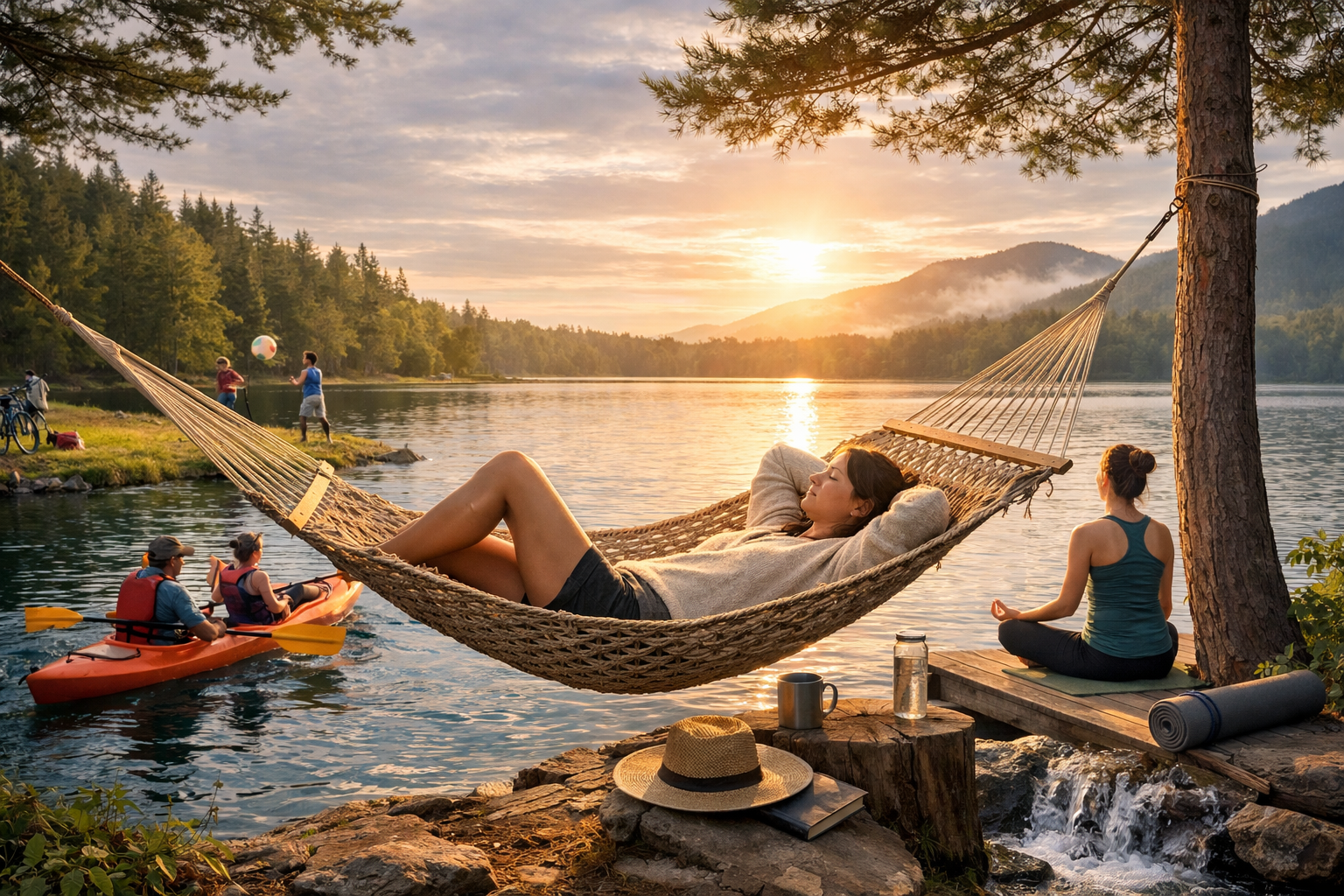
Recreation refers to activities people choose during leisure time to refresh the mind and body. The word itself hints at its purpose: to “re-create” or restore. Recreation can be active or quiet, social or solitary, structured or spontaneous. What matters most is that it feels voluntary, enjoyable, and renewing rather than obligatory.
While hobbies, sports, and vacations often come to mind, recreation also includes smaller everyday choices—taking a walk after dinner, listening to music, playing a quick game, gardening, or visiting a park. In a world where productivity can become a default identity, recreation is not an indulgence; it is part of a balanced life.
Recreation supports well-being on multiple levels. It helps people recover from stress, build resilience, and maintain social bonds. It also creates moments of meaning: the satisfaction of learning a skill, the joy of shared laughter, or the calm that comes from being outdoors.
Active recreation—such as swimming, cycling, dancing, hiking, and team sports—improves cardiovascular health, mobility, strength, and coordination. Even moderate activity can boost energy and sleep quality. Importantly, recreational movement tends to be more sustainable than exercise driven solely by obligation, because enjoyment increases adherence.
Recreation offers psychological “breathing room.” Engaging in pleasant activities can lower stress and improve mood by shifting attention away from worry and toward curiosity or play. Creative recreation—like painting, music, writing, or crafting—can help people process emotions and experience a sense of progress without high stakes.
Many recreational activities also encourage a state of flow: deep immersion where time seems to pass quickly. Flow experiences are linked to greater satisfaction and can counteract mental fatigue caused by constant decision-making and digital overload.
Shared recreation builds connection in ways that everyday conversation sometimes cannot. Playing a sport, cooking with friends, joining a club, or exploring a local event creates natural opportunities for teamwork, laughter, and mutual support. These interactions strengthen social networks, which are strongly associated with long-term health and life satisfaction.
Recreation is highly personal. What restores one person may drain another. Considering different categories helps you choose activities that fit your needs, schedule, and personality.
Nature recreation includes walking trails, birdwatching, camping, kayaking, and simply spending time in green spaces. Being outdoors can reduce stress and restore attention, especially when daily life involves screens, noise, and tight schedules. Even a short visit to a park can feel like a reset.
From pick-up basketball to yoga classes, sport-based recreation combines health benefits with play. Some people thrive on competition; others prefer cooperative or individual activities. The key is matching intensity to your current capacity so recreation remains rejuvenating rather than punishing.
Creative recreation includes music, dance, photography, theater, crafts, and design. Cultural recreation might involve museums, festivals, local performances, or reading groups. These activities stimulate imagination and can deepen a sense of identity and community.
Not all recreation requires leaving the house. Cooking, puzzles, model building, journaling, or tending plants can provide calm and satisfaction. Quiet recreation is especially valuable during busy seasons, periods of limited mobility, or when budgets are tight.
Games, online communities, and streaming media can be enjoyable and socially connecting. The challenge is ensuring digital recreation remains intentional rather than default. Setting time limits, choosing high-quality experiences, and balancing screen time with movement and in-person relationships helps keep digital recreation restorative.
Effective recreation matches your current needs. When you’re mentally drained, you may benefit from low-effort comfort activities. When you feel restless, active recreation can release energy. When you feel disconnected, social recreation can restore a sense of belonging.
Many people think recreation requires large blocks of free time, but consistency matters more than scale. A sustainable approach treats recreation as a recurring practice—like sleep or meals—rather than an occasional reward.
Choose activities with a low “startup cost.” Keep a book by your chair, a ball in the car, or comfortable shoes by the door. Reduce friction so that recreation is the simplest choice at the end of a long day.
Putting recreation on the calendar signals that it has value. This can be as simple as a 20-minute walk after work or a weekly game night. Protect the time as you would a meeting—especially if you tend to sacrifice leisure when deadlines approach.
Create three tiers of options:
This makes it easier to choose recreation that fits the time you actually have.
Recreation is also a community resource. Parks, trails, recreation centers, and local programs provide safe spaces for movement, social connection, and youth development. Well-designed recreational areas improve quality of life, encourage physical activity, and can reduce isolation—especially for children, older adults, and newcomers to a neighborhood.
Accessible recreation matters: inclusive playgrounds, adaptive sports programs, affordable classes, and safe walking routes help ensure that restoration and play are available to everyone, not only those with time and money.
Recreation is the art of renewal. It can be playful, peaceful, challenging, or social—sometimes all at once. When chosen intentionally, recreation becomes more than a break from life; it becomes part of what makes life feel spacious, connected, and worth living.
